Freedom from the Old Grave Clothes

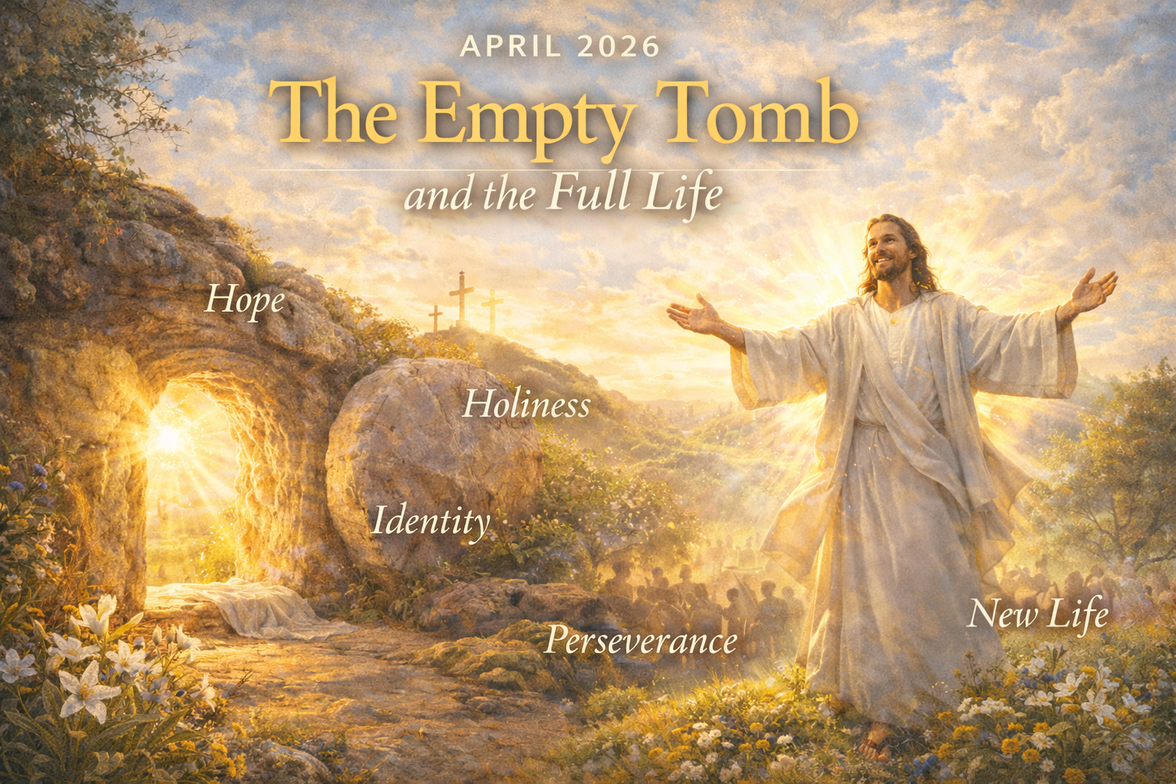
John 11:43–44
“And he that was dead came forth, bound hand and foot with graveclothes… Jesus saith unto them, Loose him, and let him go.”
Lazarus came out of the grave alive—but still wrapped. Jesus did not raise him to leave him bound. Resurrection life begins with new breath, but it continues with freedom. Revival joy understands this tension: alive, yet learning to walk unencumbered.
Grave clothes represent what once belonged to death—habits, fears, identities, and patterns formed in the old life. Resurrection power breaks the grave’s authority, but believers must still step into freedom. Jesus commands the bindings to be removed.
Notice that Jesus involves others in the process. “Loose him.” Resurrection life is not lived in isolation. God often uses community, discipleship, and loving accountability to help remove what no longer belongs.
Many believers are discouraged because they feel alive but restricted. Resurrection does not mean instant maturity; it means freedom is now possible. Growth is not failure—it is evidence of life.
This passage guards us from despair and complacency alike. Being bound does not mean you are dead—but remaining bound when freedom is offered limits joy. Resurrection invites progress.
Ask God today what grave clothes still cling to you. Not with shame, but with hope. Jesus did not raise you to leave you wrapped.
You are alive. Now walk free.