The Birth of Christ

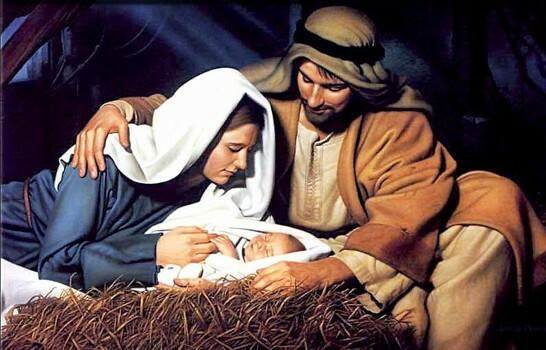
Luke 2:6–7 — “And so it was, that, while they were there, the days were accomplished that she should be delivered. And she brought forth her firstborn son, and wrapped him in swaddling clothes, and laid him in a manger; because there was no room for them in the inn.”
In simple, understated words, Luke records the most extraordinary event in history: the birth of Christ. The eternal Son of God entered the world in humility, wrapped in swaddling clothes, and laid in a manger. Gratitude deepens when we reflect on the humility of His coming.
The King of glory did not arrive in a palace but in a stable. His cradle was not gold but a feeding trough. Gratitude flows when we see how far Christ stooped to identify with us. He entered the world in poverty so that we might inherit eternal riches.
The detail of “no room in the inn” is symbolic. From the very beginning, the world had no place for Him. Yet His rejection opened the way for our acceptance. Gratitude remembers that He took the place of rejection so that we could be received by God.
Mary wrapped Him in swaddling clothes, an act of tender care. Though He was God, He was also fully human, needing the touch and nurture of His mother. Gratitude grows as we marvel at the mystery of God made flesh.
For us, the birth of Christ is not just history but hope. Gratitude transforms our celebration of Christmas from mere tradition to worship. We give thanks that God has come near in His Son.
The manger reminds us that Christ’s love reaches into the lowest places. Gratitude lifts our hearts in wonder at the God who humbled Himself to be with us.