The Gifts of the Magi

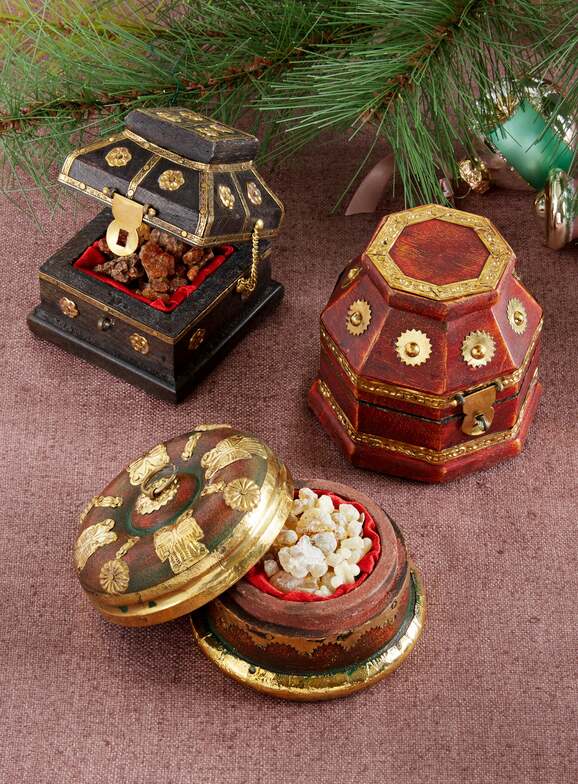
Matthew 2:11 — “And when they were come into the house, they saw the young child with Mary his mother, and fell down, and worshipped him: and when they had opened their treasures, they presented unto him gifts; gold, and frankincense, and myrrh.”
When the wise men found Christ, they did not come empty-handed. They opened their treasures and presented gold, frankincense, and myrrh. Each gift carried symbolic meaning, pointing to His kingship, deity, and sacrificial death. Gratitude inspired their giving, and their giving declared their worship.
Gold was a gift for a king, acknowledging His royal authority. Frankincense, used in temple worship, recognized His divinity. Myrrh, associated with burial, foreshadowed His suffering and death. Gratitude for Christ includes recognizing Him as King, God, and Savior.
The act of giving itself was worship. They fell down and worshiped before presenting their gifts. Gratitude is not only spoken in words but shown in sacrifice. True thanksgiving always costs something.
For us, the Magi remind us that gratitude gives our best to Christ. We may not bring gold or spices, but we can offer our time, talents, resources, and hearts. Gratitude is demonstrated in how we prioritize and what we give.
Pastors and believers alike are called to lead lives of sacrificial gratitude. When we give freely, we declare that Christ is worthy of all. Gratitude transforms giving into joy, knowing we honor the One who gave Himself for us.
At Christmas, let us open our treasures and present them to Christ. Our gratitude should be more than words; it should be the offering of our lives in worship.