Bethlehem Ephratah

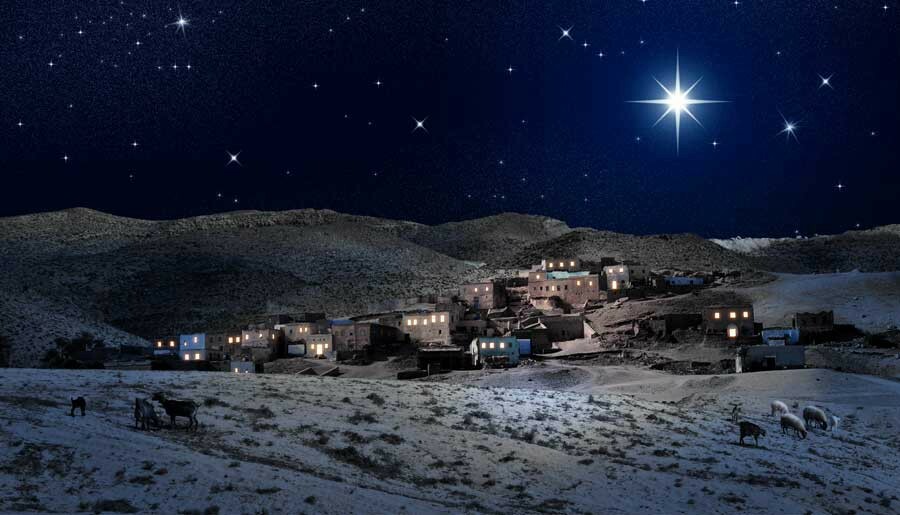
Micah 5:2 — “But thou, Bethlehem Ephratah, though thou be little among the thousands of Judah, yet out of thee shall he come forth unto me that is to be ruler in Israel; whose goings forth have been from of old, from everlasting.”
Micah pinpointed the birthplace of the Messiah centuries before Christ’s birth. Bethlehem, small and insignificant among Judah’s towns, would be the place where the eternal Ruler would be born. This prophecy magnifies God’s sovereignty and His tendency to use the small and humble for His great purposes.
Bethlehem means “house of bread,” a fitting birthplace for the Bread of Life. Gratitude rises when we realize that Christ, who sustains the world, was born in a humble town to feed hungry souls. His birth in Bethlehem shows that God delights in surprising the proud by exalting the lowly.
Micah also reveals the Messiah’s eternal nature: “whose goings forth have been from of old, from everlasting.” The child born in Bethlehem was not created there; He was the eternal Son, stepping into time. Gratitude for Christmas deepens when we see the eternal God entering history for our salvation.
For us, Bethlehem reminds us that God values what the world overlooks. Gratitude grows when we realize He chose the humble setting of a manger to display His glory. He still delights to use ordinary people and places for extraordinary purposes.
Pastors and believers alike can take comfort in Bethlehem’s lesson. God’s plan is not hindered by size, status, or strength. Gratitude teaches us to trust His wisdom, even when it defies expectations.
Bethlehem was little, but from it came the greatest King. Let us give thanks that God’s ways are higher than ours and that His eternal Son was born in such a place for our salvation.