Boldness Born in Prayer

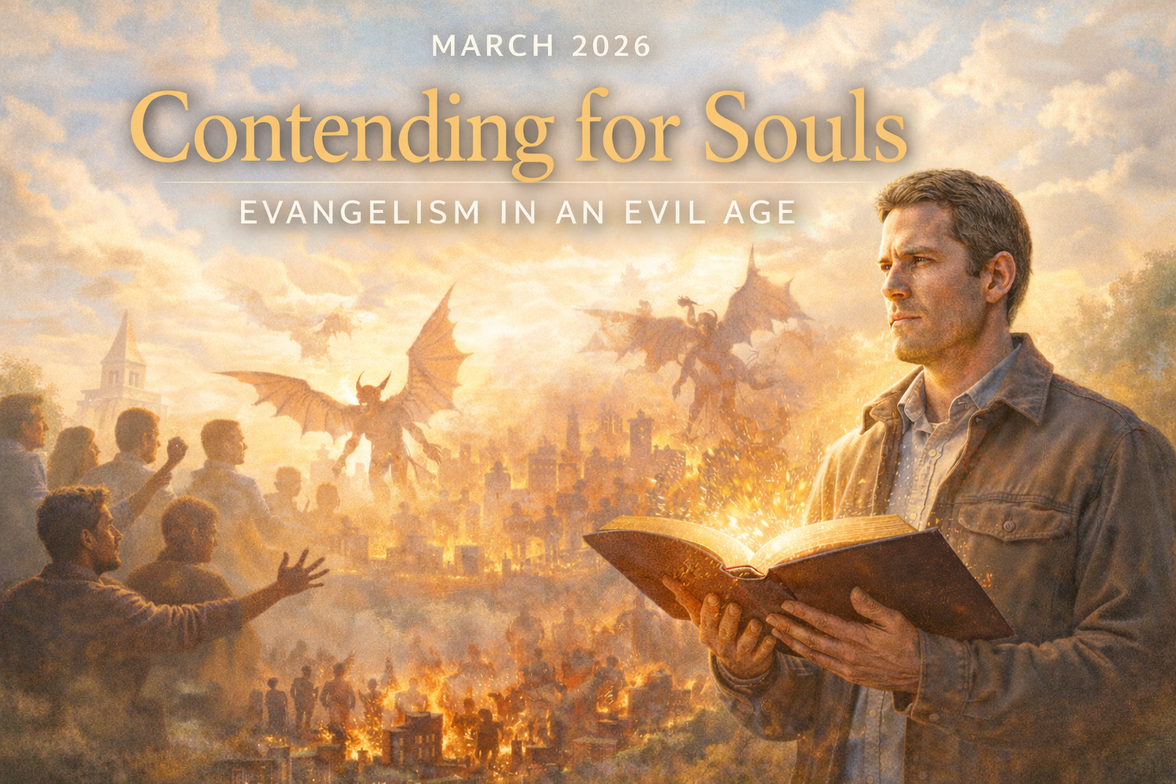
Acts 4:29–31
“And now, Lord, behold their threatenings: and grant unto thy servants, that with all boldness they may speak thy word… And when they had prayed, the place was shaken… and they spake the word of God with boldness.”
The early church did not ask God to remove opposition. They asked Him to strengthen obedience. Threats were real. Consequences were possible. Yet their prayer was not for safety, but for boldness. Revival restores this priority, reminding us that courage is not self-generated—it is God-given.
Notice how honestly they prayed. They did not minimize danger or pretend fear did not exist. They brought it openly before the Lord. Revival does not deny weakness; it places weakness where power can be supplied.
Boldness is not personality-driven. It is not reserved for the outspoken or fearless. Scripture makes it clear that boldness flows from the presence of the Holy Ghost. When God fills His people, fear loosens its grip and obedience strengthens its resolve.
The result of prayer was movement—both spiritual and practical. The place was shaken, and the people were changed. Revival produces visible transformation because prayer has shifted internal alignment.
This passage reminds us that prayer is not preparation for evangelism—it is evangelism’s foundation. When prayer is neglected, boldness evaporates. When prayer is restored, courage follows.
Ask yourself today where fear has silenced obedience. Bring that fear to God honestly. Revival begins when prayer becomes the place where boldness is born.