He is Not Here

Matthew 28:5–6
“And the angel answered and said unto the women, Fear not ye: for I know that ye seek Jesus, which was crucified. He is not here: for he is risen, as he said.”
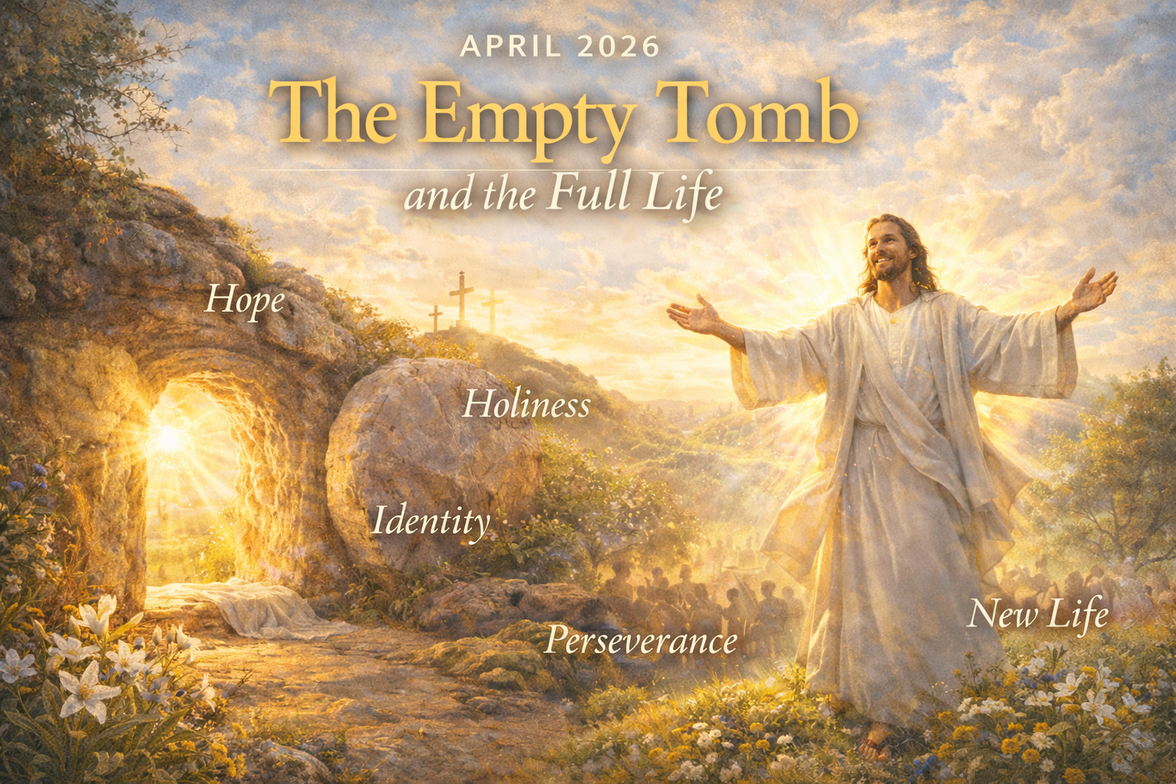
The resurrection does not begin with celebration—it begins with astonishment. The women come to the tomb expecting death. They are met instead with an announcement that reshapes history: He is not here. The absence of Christ’s body is not confusion; it is confirmation. The grave did not lose Him—He left it behind.
The angel’s first words are mercy: “Fear not.” Resurrection does not mock grief; it meets it gently. Jesus had truly died. The sorrow was real. But the tomb that once symbolized finality now proclaims victory. Revival joy is not denial of pain—it is triumph that rises through it.
Notice the precision of the announcement. “Which was crucified.” The resurrection does not erase the cross; it completes it. The risen Christ is the same Savior who bore wounds, shed blood, and endured wrath. Resurrection does not bypass suffering—it vindicates obedience.
The angel adds a crucial phrase: “as he said.” The resurrection is not improvisation. It is fulfillment. Jesus rose exactly as promised. Every word He spoke proved trustworthy. Resurrection joy is anchored in the reliability of Christ’s Word.
The empty tomb is not merely evidence—it is invitation. Fear gives way to faith. Despair yields to hope. The resurrection declares that death does not have the final word—not over Christ, and not over those who belong to Him.
April begins here, at a grave that cannot hold its occupant. Before we speak of power, purpose, or joy, we stand on this truth: He is not here. And because He is risen, everything changes.
Let this truth settle your heart today. Whatever feels sealed, finished, or buried—Christ has authority there. The tomb is empty. Hope lives.